When Heroes Become Villains: How Cinema’s Moral Grey Zone Is Influencing Young Minds
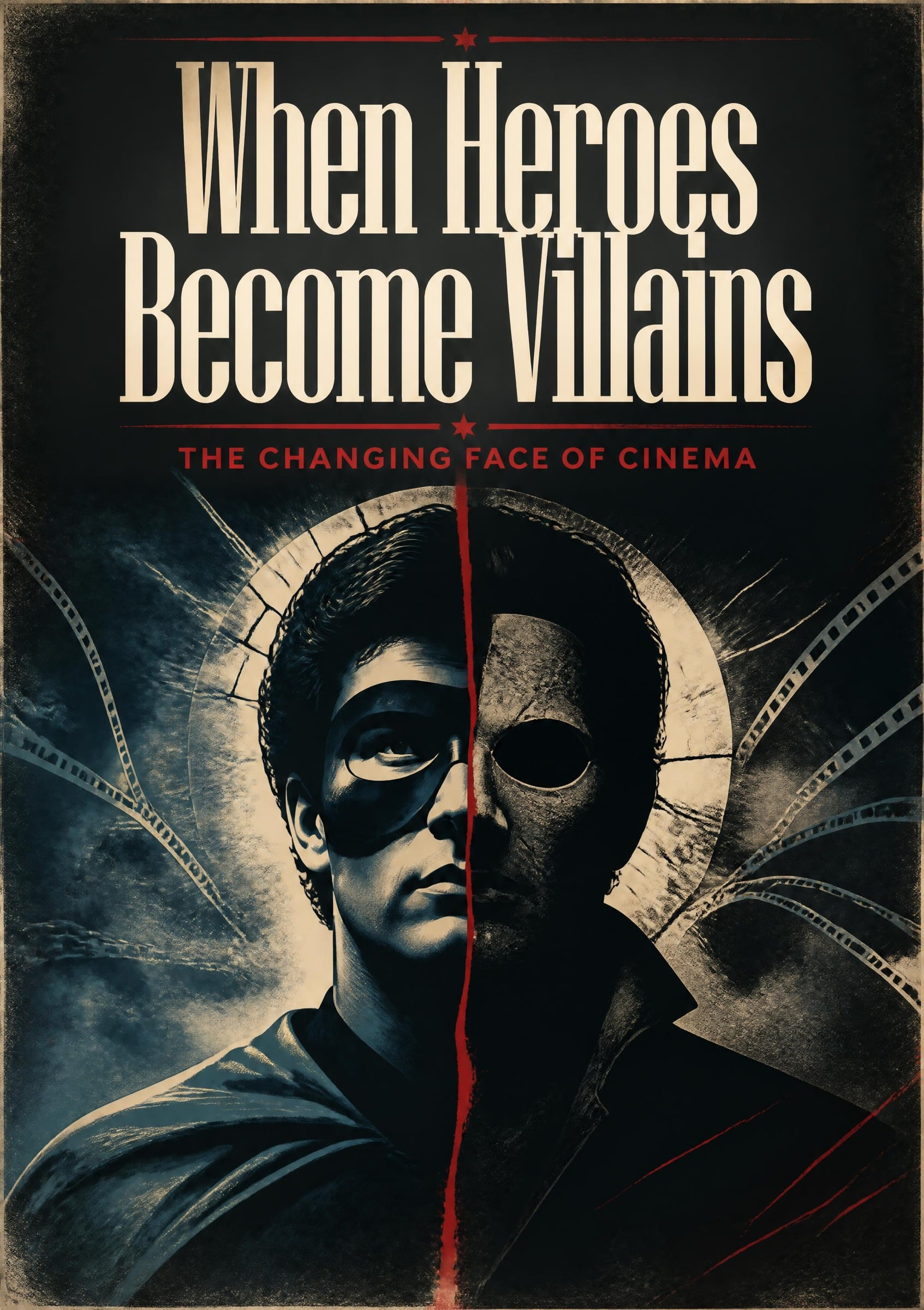
In their place are antagonists with tragic backstories, understandable grievances, and, in some cases, more compelling arguments than the hero. Audiences leave theaters debating not who was right, but whether the villain even was wrong.
This humanizing of villains blurs the boundary further. If the villain has a point, and the hero has flaws, then the moral clarity that once defined cinema becomes less straightforward.
Is This a Problem?
There's a strong argument that this evolution has made storytelling richer. Complex characters mirror real human nature far better than cardboard cutouts of pure good and pure evil ever could. Audiences today are more media-literate and demand nuance; they want to be challenged, not lectured.
But there's a legitimate concern too, especially for younger viewers who absorb these stories as they form their own values. When every hero is compromised and every villain has a justification, the message can sometimes slide into moral relativism — the idea that right and wrong are simply matters of perspective. For an audience still learning to navigate ethics, that can be a confusing lesson.
The Real-World Impact on Children
Beyond the philosophical debate about moral ambiguity, there is a more immediate concern: children can sometimes imitate what they see on screen. When heroes are shown as reckless, rule-breaking, and larger-than-life — standing atop moving vehicles, driving open jeeps at dangerous speeds through crowded streets, or treating traffic laws as an obstacle for the weak — young viewers may absorb this as aspirational behavior rather than fiction.
There have been instances of teenagers and even younger children attempting risky behavior on motorcycles or in open vehicles, sometimes without helmets or proper safety precautions. Such behavior can resemble the stylized action sequences their on-screen heroes perform. What looks thrilling on a cinema screen, shot with trained stunt doubles, safety rigging, and camera tricks, can become dangerous when a twelve- or fourteen-year-old tries to recreate it on a real road with real traffic.
This is where the hero-villain blur can move beyond an abstract storytelling trend and become a genuine child safety concern. Younger viewers may not always be able to fully separate cinematic exaggeration from real-world consequences. They may see someone cool, fearless, and admired, doing something that looks exciting. The recklessness that filmmakers use as a shorthand for rebellion or power can sometimes be copied literally rather than interpreted symbolically.
This places a quiet but real responsibility on filmmakers: the choices made for dramatic effect on screen don't always stay on screen. They can walk out of the theater with the youngest members of the audience, and in some cases, onto the road.
Finding the Balance
The best modern films manage to walk this line carefully. They allow heroes to be flawed and villains to be human, without losing sight of the fact that actions still have consequences, and that some choices remain wrong regardless of the reasoning behind them. The most memorable stories don't abandon morality — they complicate it, forcing the audience to think rather than simply cheer.
Cinema's heroes turning into villains isn't necessarily a sign that storytelling has lost its way. It's a sign that storytelling has grown up, choosing to reflect a world that has always been more gray than black and white — even if that means the applause at the end of the movie is a little more hesitant than it used to be.