
A TOTO E- RICKSHAW RAGULAR LIFE STORY
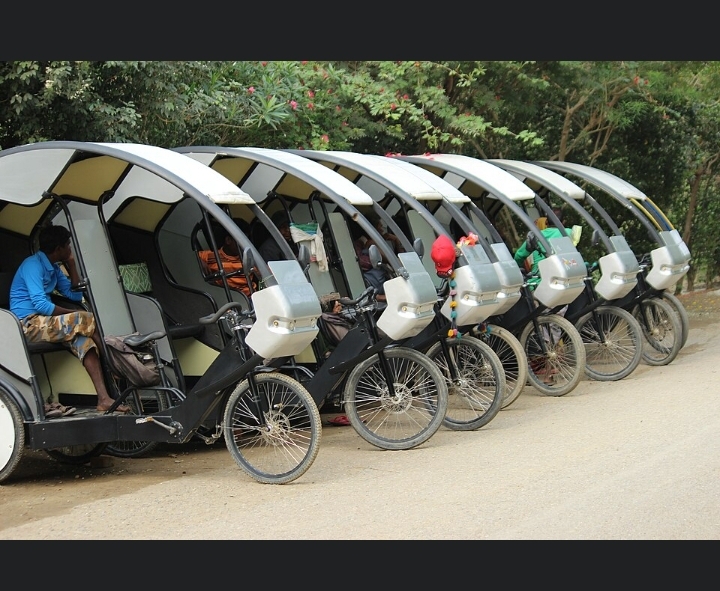
The Rise of Totos: How E-Rickshaws Are Transforming Local Transport and Livelihoods in West Bengal
The toto, commonly known as an e-rickshaw, has emerged as an important mode of last-mile transportation in India. Initially developed as an alternative to manually operated cycle rickshaws, these battery-powered vehicles have gradually become a significant part of local transport and livelihoods, particularly across West Bengal and North Bengal.
Invention and Growth
Early Developments: Research and development of battery-operated rickshaws began during the 1990s. Engineers such as Anil K. Rajvanshi of NARI in Phaltan, along with industry pioneers like Vijay Kapoor, have been associated with the development and commercial growth of electric rickshaws.
Mainstream Adoption: After relatively slow adoption in the early 2010s, e-rickshaws gradually gained popularity as an affordable alternative for short-distance transportation. Amendments to the Motor Vehicles Act in 2015 helped bring e-rickshaws within the formal transport regulatory framework.
Livelihoods and Community Impact
Reduced Physical Strain: E-rickshaws have provided an alternative source of livelihood for many former cycle-rickshaw pullers and manual workers. Compared with traditional cycle rickshaws, battery-powered vehicles require less physical effort and offer opportunities for self-employment.
Women Drivers and Local Initiatives: In several towns across West Bengal, including Siliguri and Howrah, e-rickshaws have also created employment opportunities for women drivers. Some drivers have attracted public attention through unique initiatives. One reported example is Suranjan Karmakar, who offered free rides to passengers able to answer general knowledge questions, as featured by India Today.
Everyday Challenges
Charging and Battery Maintenance: Battery charging can take several hours, with some batteries requiring approximately 9–10 hours for a full charge. Periodic battery replacement also adds to operating costs and raises concerns about charging infrastructure and electricity consumption.
Traffic and Regulation: The rapid growth in the number of e-rickshaws has raised concerns about traffic congestion, licensing, route management and regulatory compliance. In some busy towns, their increasing presence has also led to disagreements involving traditional transport operators.
The Road Ahead
Totos have become an important part of local transportation and employment in several parts of West Bengal. However, better charging infrastructure, effective traffic management, proper licensing and safety regulations are necessary to address the challenges associated with their growing use.
With appropriate planning and regulation, e-rickshaws can continue to support affordable last-mile transportation while providing livelihood opportunities to local communities.